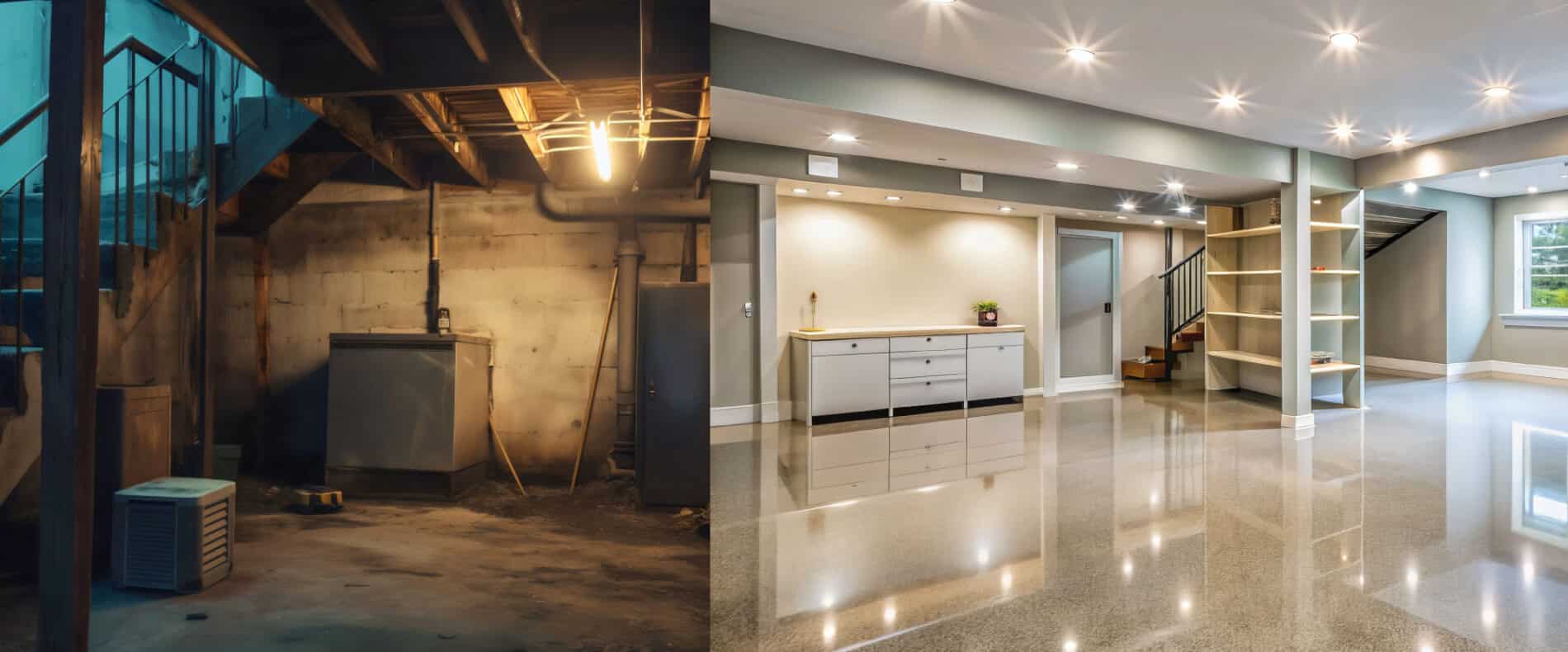

Most people underestimate the impact of color when transforming their spaces. Selecting the right paint color can significantly affect your mood and the overall ambiance of your home or office. This comprehensive guide will help you navigate the complexities of color selection, ensuring that you choose hues that reflect your style and fit the purpose of each room. With the right approach, you can enhance your environment and create a space that feels uniquely yours.
Key Takeaways:
- Understanding color psychology helps select hues that align with the room’s purpose; for instance, calming shades like blue are suitable for bedrooms, while vibrant colors like red enhance dining areas.
- Factors such as lighting, room size, architectural features, and existing decor significantly influence how paint colors appear and interact within a space.
- Utilizing paint samples, mood boards, and professional consultations can simplify the color selection process, ensure that the chosen shades reflect personal style, and enhance the overall ambiance.
Understanding Color Theory
The selection of paint colors is greatly influenced by color theory, which encompasses various principles that explain how colors interact, blend, and impact our emotions. By understanding these concepts, you can make informed decisions that elevate the aesthetics and atmosphere of your space.
The Basics of Color Psychology
Across the spectrum of colors, each hue carries its psychological significance. For instance, red evokes energy and excitement, while blue promotes calmness and tranquility. Acknowledging how different colors influence mood can be a powerful tool in creating the ambiance you desire for your home or commercial space.
The Color Wheel and Harmony
The color wheel is among the most fundamental tools in color theory. It illustrates the relationships between colors and enables you to explore color combinations that create harmony or contrast within your space. Understanding the difference between complementary, analogous, and triadic color schemes helps you design visually appealing and cohesive interiors.
It is imperative to utilize the color wheel effectively. Complementary colors sit opposite each other and generate a vibrant contrast, such as blue and orange. Analogous colors, located next to each other, offer a harmonious blend, like green, blue, and teal. Triadic combinations, which arrange three colors evenly spaced around the wheel, can also create lively and balanced designs, enhancing your overall aesthetic.
Color Temperature: Warm vs. Cool
Understanding color temperature can significantly impact the feeling of your rooms for your painting project. Colors are categorized into warm tones (reds, oranges, yellows) and cool tones (blues, greens, purples). Warm colors create an energetic and inviting atmosphere, while cool colors evoke calmness and relaxation.
But you should also consider the effects of these temperatures on your space. Warm colors can make a large room feel cozier and more intimate, whereas cool colors can open up smaller areas, making them appear larger. The choice between these colors can transform your home or business’s perception of space and environment.
Color Temperature Comparison
| Warm Colors | Cool Colors |
|---|---|
| Creates an inviting atmosphere | Promotes relaxation and calmness |
| Ideal for social spaces like dining rooms | Perfect for bedrooms or bathrooms |
| Can make spaces feel vibrant and cozy | It can help small spaces feel more open |
Factors Influencing Color Choice
It’s essential to recognize that selecting a paint color involves several factors that can significantly impact your final decision. Understanding these influences allows you to create a space that reflects your style and needs. Here are some key factors to consider:
- Room Functionality and Purpose
- Lighting Conditions
- Room Size and Dimensions
- Architectural Features
- Existing Furniture and Decor
- Personal Style and Preferences
Room Functionality and Purpose
At the onset of your color selection journey, consider the functionality of the room you’re painting. Different colors can enhance the space’s purpose; for instance, calming hues work well in bedrooms, while energizing tones suit home offices.
Lighting Conditions
The choice of color is heavily influenced by the lighting conditions within your space. Natural and artificial light can alter how paint looks, so it’s important to test colors at various times throughout the day.
Be mindful of how light interacts with paint. A color might appear rich and inviting in sunlight, but look stark or cold under fluorescent lights. Always sample colors on your walls to see how they adapt to changing light conditions throughout the day.
Room Size and Dimensions
The size and dimensions of a room play a significant role in color selection across different spaces. Lighter colors generally make smaller spaces appear larger and more open, whereas darker shades can create a cozy, intimate atmosphere in larger rooms.
This principle helps create an illusion of space. Darker shades can also absorb light, making them a great choice for expansive rooms that might otherwise feel cold or overwhelming.
Architectural Features
Above all, consider the existing architectural features in your room. Elements like moldings, trim, and built-ins can significantly influence your paint choice, enhancing the overall aesthetic or creating contrast.
It’s effective to use paint colors that complement or highlight these features. For example, a bold color can accentuate moldings, while a cohesive palette can unify the various elements in your space, creating a more cohesive look.
Existing Furniture and Decor
The dimensions of your existing furniture and decor are important in determining your paint color. Consider how your wall color will interact with your furniture pieces and any decorative accents already in place.
Features of your furnishings should harmonize with the wall color to create a balanced environment. A well-coordinated palette can combine different elements, making your space feel thoughtfully designed and comfortable.
Personal Style and Preferences
Room for personal expression is vital when selecting paint colors. Your preferences should guide your choices, as the ultimate goal is to create a space that feels like home.
But don’t ignore popular trends. While you should prioritize your style, incorporating elements of current color trends can refresh your space and keep it modern and updated.
Perceiving these factors will help you make informed choices that elevate your space. Ensure that the color you choose not only looks good but also resonates with you and your lifestyle.
Practical Tips for Selecting Paint Colors
Now that you’ve considered the vitals, let’s explore some practical tips for selecting the perfect paint color:
- Start with Samples: Always test colors on your walls to see how they look.
- Analyze Undertones: Pay close attention to the different hues within a color.
- Create Mood Boards: Gather inspiration to visualize your desired aesthetic.
- Utilize the Color Wheel: Understand complementary and analogous colors for a balanced palette.
- Stay updated on Color Trends: Explore current styles, but ensure they resonate with you.
- Consult Professionals: Seek expert advice for tailored solutions and flawless execution.
You will find these tips invaluable in your painting journey.
Testing Samples Effectively
The best way to ensure you select the correct color is to test samples on your walls before making a final decision. Apply a few swatches and observe them at different times of day to see how the lighting affects the color.
Analyzing Undertones
At first glance, a paint color might seem straightforward, but analyzing undertones is vital for a successful selection. Undertones can significantly influence how a color appears in your space and interacts with surrounding decor.
Hence, take the time to view potential paint colors in natural light and against your existing furniture to assess their undertones accurately. Depending on its undertones, a color may appear warm or cool, which can impact the overall harmony of your space.
Creating Mood Boards and Inspiration
One effective method for narrowing down your choices is to create mood boards that reflect your aesthetic preferences. Collect images, color swatches, and decor elements that inspire you to establish a cohesive vision.
Colors can be a powerful source of inspiration, helping you determine the overall feel you want for your space. By visually compiling your ideas, you can explore how various colors and styles work together, ultimately guiding your paint selection process.
Utilizing the Color Wheel for Selection
Below, the color wheel is an excellent reference tool for selecting complementary or analogous colors. Understanding the wheel can enhance your decision-making process and aesthetic appeal.
Plus, complementary colors are directly opposite on the wheel, providing contrast, while analogous colors are adjacent, offering a seamless blend. Awareness of their relationships can help you design a harmonious and visually appealing palette for your space.
Staying Updated on Color Trends
Practical insight into current color trends can provide fresh ideas and inspiration. Keeping an eye on emerging styles ensures that your choices remain relevant and stylish.
Color preferences often reflect broader design movements, and awareness of these trends can guide you toward popular yet timeless options. Instead of solely following trends, select colors that resonate personally with you.
The Importance of Professional Consultation
Seeking professional consultation for your painting project can inspire you. Expert painters and interior designers bring a wealth of knowledge and experience that can elevate your efforts.
Due to their expertise, professionals can help you navigate color selections, ensuring they align with your space requirements and architectural features. This collaboration can save time, reduce frustration, and result in a stunning outcome you will love.
The Role of Paint Finishes
Your choice of paint finish plays a significant role in achieving your space’s desired aesthetic and functionality. Paint finishes determine not only the final appearance but also the durability and practicality of the surface. Understanding the various types of finishes will help you make informed decisions for each room in your home or business.
Understanding Different Finish Types
Besides color, there are several finish types you should consider:
| Matte | It offers a non-reflective surface, which is ideal for low-traffic areas. |
| Eggshell | It provides a slight sheen and is suitable for living rooms and bedrooms. |
| Satin | It delivers a soft glow that is easy to clean and perfect for kitchens and bathrooms. |
| Semigloss | Highly durable and reflective, great for trim and moldings. |
| Gloss | It offers the highest sheen and is often used for accents and furniture. |
After exploring these finish types, you’ll be better prepared to choose the one that best suits your space.
How Finish Affects Color Perception
Color is significantly influenced by the finish you choose. Different finishes reflect light in varying ways, altering how a color appears in a room. For instance, a glossy finish may enhance a color’s vibrancy, while a matte finish can soften its intensity.
Finish affects the color’s brightness, depth, and warmth. A matte finish absorbs light, providing a more subdued effect, whereas a glossy finish reflects light, making colors appear richer and more pronounced. This can change the room’s overall ambiance, influencing your emotions and perception of space.
Selecting the Right Finish for Each Room
After understanding the significance of paint finishes, you can make better choices for each room. A durable satin or semigloss finish withstands wear and tear while being easy to clean for high-traffic areas like hallways and kitchens. Conversely, places such as bedrooms might benefit from a matte or eggshell finish to promote a sense of calm.
This approach lets you match finishes with the room’s function and style. Ensure the finish you select complements both the color and the space’s specific requirements, providing durability and aesthetic appeal. Your choice will ultimately enhance your environment, contributing to your home’s overall harmony and satisfaction.
The Painting Process
Unlike simply selecting a color, the painting process involves several steps to ensure a smooth and effective transformation of your space. Each stage, from preparation to execution, plays a vital role in achieving the final look and longevity of your paint job. Following best practices can help you enhance your environment with lasting results.
Preparing Your Space
Proper preparation is key to success in painting. Clear the area of furniture, cover floors with drop cloths, and tape off edges to protect baseboards and trim. This initial step ensures a cleaner application and allows you to work more efficiently, making the painting process less stressful.
The Importance of Quality Materials
Above all, the quality of your painting materials can significantly impact the final result. Investing in premium paints, brushes, and tools will improve the ease of application and enhance the finish’s durability and appearance.
Understanding the difference between high-quality and lower-tier products can lead to better outcomes. Quality paints often have superior coverage and are formulated to resist fading, staining, and mildew. When you choose materials that excel in performance, your painted surfaces will look fresh and vibrant for years to come, saving you time and money in the long run.
Techniques for a Flawless Finish
Preparing for a flawless finish involves mastering vital techniques. Use even strokes, and don’t overload your brush or roller to avoid drips and uneven coverage. Patience is key; let each coat dry thoroughly before applying the next one, ensuring a smooth and polished look.
Space matters when it comes to achieving a professional finish. Pay attention to detail, such as feathering edges and working in manageable sections, to maintain control and consistency. By following these techniques, you can achieve a finish that elevates your space, reflecting your style and attention to detail.
Working with Professionals
Collaborating with professionals can make all the difference for those looking to achieve the best results for their painting projects. Experienced painters possess the knowledge and skills to navigate the complexities of color selection and application, ensuring your vision comes to life seamlessly.
Benefits of Hiring Experienced Painters
Below is a list of advantages you gain when you hire experienced painters. They bring expertise in color theory and application techniques, resulting in a flawless finish. Professionals also understand the nuances of different surfaces and lighting conditions, which means they can recommend the best paint options that will look stunning in your unique space.
What to Expect from a Color Consultation
A color consultation with professionals offers personalized guidance tailored to your needs. The process typically involves an in-depth discussion about your preferences, lifestyle, and the function of each room. This helps the consultant provide suggestions that align with your vision while highlighting important factors like lighting and existing decor.
For instance, during the consultation, you may explore various color palettes and sample choices that match your style and the function of your space. The expert will likely analyze light sources and room dimensions, helping you understand how different colors interact within your environment. This personalized approach ensures that you feel confident in your decisions and can create a cohesive look throughout your home.
Ensuring Quality and Satisfaction
Any project requires clear communication and expectations, especially when you want the best outcome. Hiring professionals ensures that proper procedures are followed from start to finish, allowing for adjustments or feedback along the way, leading to a more satisfying result.
A strong focus on quality means that experienced painters will use top-grade materials and techniques to deliver exceptional results. This commitment to excellence not only enhances the aesthetics of your space but also ensures durability and longevity. With professionals, you can trust that your vision will be executed with precision and care, leaving you delighted with the transformation of your home.
To Wrap Up
Following this comprehensive guide, you can choose the perfect paint color for your space. By considering factors such as the room’s purpose, lighting, and style, you can create an atmosphere that reflects your personality and enhances functionality. Trust in the process and utilize the tips to narrow your options. With the right approach, you can achieve a beautifully transformed environment that meets your vision for your home or business.
FAQ
Q: How can I determine which paint colors work best for my space?
A: To find the best paint colors for your space, consider the room’s purpose. For example, calming colors like blue or soft pastels work well in bedrooms, while warm tones like yellow or earthy shades are great for kitchens. Additionally, test paint samples in different lighting conditions, as natural and artificial light can significantly influence a color’s appearance. Finally, consider your existing furniture and decor to ensure a harmonious look throughout the room.
Q: Is it essential to consider undertones when selecting paint colors?
A: Yes, understanding undertones is vital in the paint selection process. When applied to the walls, every paint color can have warm or cool undertones that affect its appearance. For example, a gray paint might lean towards a blue or yellow undertone. Awareness of these subtleties can help you choose colors that work well together and enhance your overall decor. Testing samples on your walls will allow you to observe how the undertones interact with your specific lighting and decor.
Q: How can professional services, like those offered by More Vision Painting, assist me in selecting paint colors?
A: Professional services like those provided by More Vision Painting can significantly streamline your paint color selection process. Their expert color consultation helps you explore options based on your style preferences, the room’s function, and architectural features. This guidance can eliminate confusion and provide you with tailored recommendations. Furthermore, their skilled painters ensure that applying your chosen colors is executed flawlessly, yielding a professional finish that brings your vision to life.