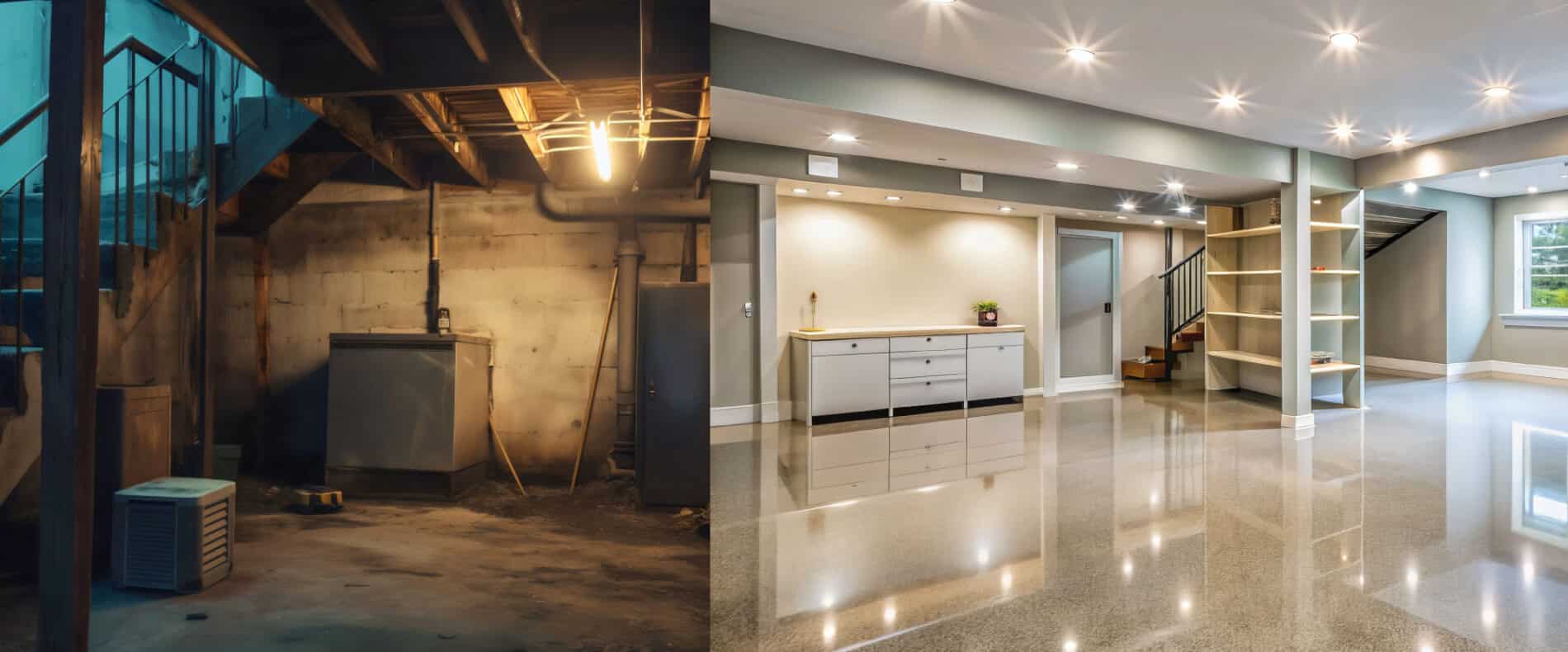
Are you struggling to choose between polyurea and epoxy for your floor coating needs in Phoenix? This guide will examine the key differences between these specialty coatings, evaluating their performance, installation processes, and ideal applications. You’ll learn about the aesthetics, color options, and long-term value of each coating type. By the end, you’ll have the knowledge to decide whether polyurea or epoxy is the best floor-coating solution for your Phoenix property.
Examine Key Differences Between Polyurea and Epoxy Floor Coatings
This section examines key differences between polyurea and epoxy floor coatings, such as Phoenix Epoxy Floor Coating, exploring their composition, strengths, and benefits. It assesses durability factors, compares installation times, and evaluates cost differences. Understanding these aspects helps select the right concrete coating for specific needs, considering factors like color options and warranty coverage.
Understand the Composition of Polyurea and Epoxy Coatings
Polyurea and epoxy floor coatings differ in chemical composition, affecting their properties and performance. Polyurea consists of isocyanate and resin components that react quickly, forming a durable and flexible coating. Epoxy, on the other hand, combines epoxide resins and polyamine hardeners, resulting in a rigid and chemically resistant surface. Both coatings require proper surface preparation and a primer for optimal adhesion, especially in areas prone to moisture or water exposure.
- Polyurea: Isocyanate + resin components
- Epoxy: Epoxide resins + polyamine hardeners
- Both require surface preparation
- Primer may be needed for better adhesion
- Moisture and water resistance considerations
Identify Strengths of Polyurea in Flooring Applications
Polyurea offers several advantages in flooring applications, particularly for garage and industrial settings. Its fast curing time allows for quicker installation, reducing downtime for businesses. The coating’s high flexibility and impact resistance make it ideal for areas with heavy traffic or machinery. Polyurea‘s excellent chemical resistance protects against spills and stains, while its seamless application creates a durable, waterproof barrier. These qualities make polyurea a popular choice for Phoenix homeowners and businesses seeking long-lasting, low-maintenance flooring solutions:
- Fast curing time
- High flexibility and impact resistance
- Excellent chemical resistance
- Seamless, waterproof application
- Suitable for garage and industrial settings
Discover Benefits of Epoxy Floor Coating Systems
Epoxy floor coatings offer numerous advantages for homeowners and businesses seeking durable, cost-effective flooring solutions. These coatings provide excellent chemical resistance, making them ideal for garage floors and industrial settings. Epoxy‘s high-gloss finish enhances the appearance of concrete surfaces, while its seamless application creates a hygienic, easy-to-clean surface. For those searching for “epoxy floor installers near me” or “garage epoxy floor near me,” these coatings offer a budget-friendly alternative to tile or other flooring options:
- Chemical resistance for garages and industrial use
- High-gloss, attractive finish
- Seamless, hygienic surface
- Cost-effective compared to tile
- Easy to clean and maintain
Assess Durability Factors in Polyurea vs Epoxy Options
Polyurea and epoxy floor coatings differ in their durability factors, impacting their suitability for various applications. Polyurea typically offers superior wear resistance and flexibility, making it ideal for high-traffic areas and environments subject to temperature fluctuations. Epoxy, while generally less flexible, provides excellent chemical resistance and is often preferred for kitchen countertops due to its hard, glossy finish. The price of polyurea tends to be higher than epoxy, but its longevity and performance in demanding conditions often justify the investment:
- Polyurea: Higher wear resistance, flexibility, and impact resistance
- Epoxy: Superior chemical resistance and hardness
- Polyurea: Better for high-traffic areas and temperature changes
- Epoxy: Preferred for kitchen countertops and chemical exposure
- Price considerations: Polyurea typically more expensive than epoxy
Compare Installation Times for Both Floor Coatings
Installation times vary significantly between polyurea and epoxy floor coatings. Polyurea cures rapidly, often allowing foot traffic within hours and full use within 24 hours. This quick turnaround makes it ideal for busy areas like basements or commercial spaces in Arizona. Epoxy, on the other hand, typically requires 24-72 hours for initial curing and up to 7 days for full hardness. While epoxy takes longer to install, it offers versatility for various substrates, including wood and grout. Both coatings benefit from professional installation, ensuring proper diamond grinding for optimal adhesion and longevity.
Evaluate Cost Differences Between Polyurea and Epoxy
The cost differences between polyurea and epoxy floor coatings stem from various factors, including manufacturing processes, aesthetics, and longevity. Polyurea typically commands a higher price due to its advanced formulation and superior durability. Epoxy, while generally more affordable, offers a range of options from budget-friendly to premium brands. The long-term cost-effectiveness of each coating depends on the specific application, with polyurea often justifying its higher initial investment through extended longevity and reduced maintenance needs:
- Polyurea: Higher upfront cost, longer lifespan
- Epoxy: More affordable initial price, varied cost range
- Manufacturing complexity affects pricing
- Aesthetics and brand reputation influence cost
- Long-term value consideration essential
Evaluate Performance Aspects of Polyurea and Epoxy Floors
Evaluating performance aspects of polyurea and epoxy floors is crucial for home improvement projects. This section analyzes slip resistance, chemical resistance, maintenance requirements, abrasion resistance, and UV stability of both coatings. Understanding these factors helps homeowners choose the right sealant for patios and high-humidity areas, ensuring durability and ease of transport during installation.
Analyze Slip Resistance in Polyurea and Epoxy Floor Coatings
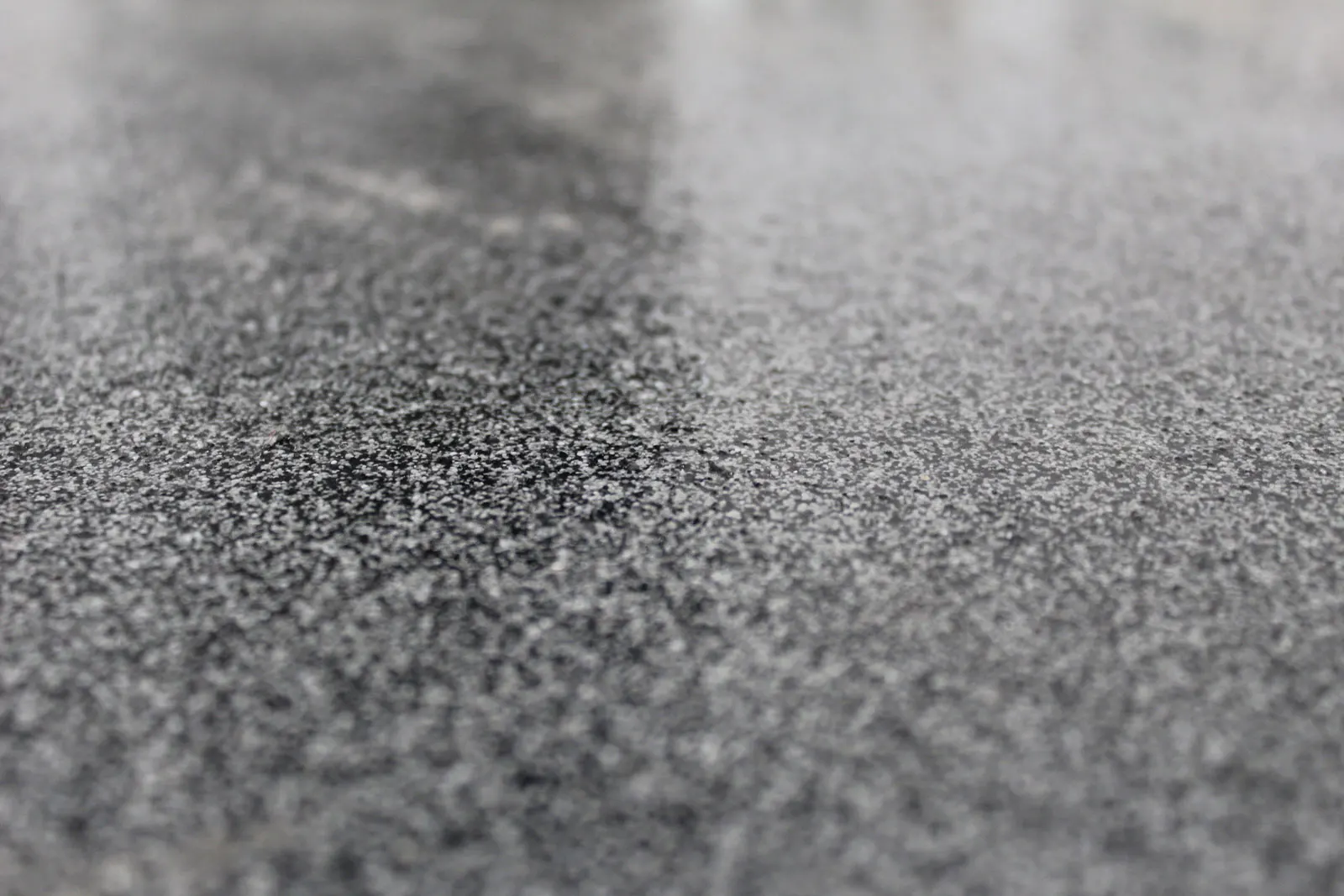
Slip resistance is a critical factor in choosing between polyurea and epoxy floor coatings, especially for epoxy basement floors and concrete epoxy applications. Both coatings can be formulated with non-slip additives, such as silica sand or aluminum oxide, to enhance traction. Epoxy coatings, including those made with methyl methacrylate, offer excellent slip resistance when properly textured. Polyurea, due to its liquid chemistry during application, can create a slightly more textured surface naturally, potentially providing better grip in wet conditions:
- Non-slip additives improve traction for both coatings
- Epoxy coatings offer customizable slip resistance
- Polyurea may provide better natural texture
- Methyl methacrylate epoxy options available
- Wet condition performance considerations
Measure Chemical Resistance in Different Flooring Options
Chemical resistance plays a crucial role in selecting between polyurea and epoxy floor coatings for various applications. Epoxy resin floors excel in resisting a wide range of chemicals, making them ideal for industrial settings and basement floor paint applications. Polyurea coatings also offer strong chemical resistance, particularly against acids and solvents. When choosing an epoxy concrete floor or epoxy floor coating, it’s essential to consider the specific chemical exposures in the environment to ensure optimal protection and longevity.
Review Maintenance Requirements for Both Coating Choices
Maintenance requirements differ between epoxy floor and polyurea coatings, impacting the overall epoxy flooring cost and long-term care. Epoxy floor paint typically requires regular cleaning and occasional resealing to maintain its appearance and protection. Garage epoxy floors benefit from periodic reapplication of a topcoat to preserve their durability. Polyurea resin flooring generally demands less maintenance, resisting stains and chemicals more effectively. Both coatings need prompt cleanup of spills and regular sweeping to prevent scratches, ensuring the longevity of the floor system.
Assess Resistance to Abrasion and Wear
Polyurea and epoxy floor coatings exhibit different levels of resistance to abrasion and wear, crucial factors for commercial epoxy floor coating applications. Polyurea generally offers superior abrasion resistance, making it ideal for high-traffic areas and locations where heavy machinery or vehicles are present. Metallic epoxy floors, while visually striking, may require additional protective layers to withstand heavy tire marks from cars. Both coatings provide excellent durability, but their performance can vary based on specific formulations and application methods:
- Polyurea: Higher abrasion resistance for heavy-duty use
- Metallic epoxy: Aesthetic appeal with potential for additional protection
- Commercial applications: Consider traffic patterns and equipment use
- Tire resistance: Important factor for garage and automotive settings
- Application method impacts overall durability
Investigate UV Stability of Polyurea and Epoxy Coatings
UV stability varies between polyurea and epoxy floor coatings, affecting their long-term performance in sunlit areas. Polyurea generally offers superior UV resistance, maintaining its color and integrity even when exposed to direct sunlight. Epoxy coatings, including those from The Home Depot or Behr, may yellow or fade over time when subjected to UV rays. For outdoor applications or areas with significant sun exposure, UV-stable additives or topcoats can enhance epoxy‘s resistance to etching and discoloration:
- Polyurea: Higher natural UV resistance
- Epoxy: Potential for yellowing in sunlight
- UV-stable additives available for epoxy
- Consider sun exposure in coating selection
- Topcoats can improve UV protection
Consider Installation Processes for Polyurea and Epoxy Coatings
Installing polyurea and epoxy coatings requires specific processes and considerations. This section examines preparation steps, application techniques, necessary tools, temperature requirements, and drying times for both coatings. Understanding these factors helps ensure proper installation of garage floor coatings with optimal chemical resistance and durability.
Review Preparation Steps for Polyurea Floor Installations
Proper preparation is crucial for successful polyurea floor installations. The process begins with thorough cleaning and degreasing of the space to remove any contaminants that could affect adhesion. Next, the surface undergoes acid etching or diamond grinding to increase porosity and create an ideal bonding profile. High-pressure washing follows to remove debris and ensure a clean substrate. Finally, any cracks or imperfections are filled and repaired before applying a primer to enhance gloss and durability of the final polyurea coating.
Outline Common Techniques for Applying Epoxy Coatings
Applying epoxy coatings involves several common techniques that ensure a durable and attractive finish. Installers typically use rollers or squeegees to spread the epoxy evenly across the prepared surface, paying careful attention to temperature conditions to prevent issues with curing. In colder climates like Canada, heating the space may be necessary to maintain optimal application temperatures. Some advanced epoxy systems incorporate javascript-controlled mixing and application equipment for precise results. When coating vehicle maintenance areas, extra care is taken to create a surface that can withstand heavy weights and chemical exposure.
Determine the Necessary Tools for Installation
Installing polyurea and epoxy floor coatings requires specific tools to ensure proper application and durability. For warehouse and supply chain facilities in the United States, pressure washing equipment is essential for thorough surface preparation. Mixing tools, rollers, and squeegees are crucial for even application, while personal protective equipment safeguards installers. Moisture meters help determine if the concrete is dry enough for coating, especially in high-humidity environments.
Assess the Importance of Temperature During Application
Temperature plays a crucial role in the application of polyurea and epoxy floor coatings. The ideal temperature range ensures proper curing and adhesion of the fluid coating to the concrete slab. For epoxy, temperatures between 50-90°F are typically recommended, while polyurea can be applied in a wider range. Extreme temperatures can affect the coating’s viscosity, potentially leading to issues like bubbling or poor bonding. Installers often use infrared thermometers to monitor surface temperatures, ensuring optimal conditions for a durable, long-lasting finish that won’t require premature sanding or reapplication.
Explore the Drying Time for Each Type of Coating
Drying times for polyurea and epoxy floor coatings vary significantly, impacting their suitability for different applications. Polyurea typically dries much faster, often allowing foot traffic within hours and full use within 24 hours, making it ideal for quick turnaround projects like parking lot resurfacing. Epoxy coatings generally require 24-72 hours for initial curing and up to 7 days for full hardness, which may be a consideration for areas exposed to gasoline or heavy vehicle traffic on parking decks. The longer drying time of epoxy can be advantageous in controlling dust during installation, but it may extend project timelines for large-scale applications.
Identify Ideal Applications for Polyurea vs Epoxy Coatings
Polyurea and epoxy floor coatings serve distinct purposes across residential, commercial, and industrial settings. This section examines their applications, considering factors like grease resistance in United Kingdom kitchens, durability for furniture manufacturing in Poland, and suitability for construction projects. Environmental considerations and ideal settings for each coating type are also evaluated, providing practical insights for selecting the most appropriate flooring solution.
Examine Residential Uses of Polyurea Floor Coatings
Polyurea floor coatings offer excellent durability and chemical resistance for residential applications. Homeowners often choose polyurea for garage floors due to its ability to withstand antifreeze spills and heavy vehicle traffic. Unlike traditional epoxy coating for concrete, polyurea cures quickly, allowing for faster project completion. This self-leveling coating provides a seamless finish, making it ideal for basements prone to moisture issues. Polyurea‘s resistance to rust and stains surpasses that of products like Rust-Oleum EpoxyShield, making it a superior choice for long-term protection.
Discover Commercial Applications for Epoxy Floor Systems
Epoxy floor systems offer robust solutions for various commercial applications, particularly in environments requiring resistance to metal and stains. These coatings excel in warehouses, manufacturing facilities, and retail spaces where heavy foot traffic and equipment use are common. The high-gloss finish of epoxy not only enhances aesthetics but also improves visibility, making it ideal for showrooms and automotive repair shops. Commercial kitchens benefit from epoxy‘s ability to withstand frequent cleaning and resist food stains, ensuring a hygienic environment:
- Warehouses: Durable surface for forklift traffic
- Manufacturing: Chemical and stain resistance
- Retail: Attractive, easy-to-clean flooring
- Automotive: Oil and grease resistant
- Commercial kitchens: Hygienic, stain-resistant surface
Discuss Flooring Solutions for Industrial Environments
Industrial environments demand flooring solutions that withstand extreme conditions. Polyurea coatings excel in areas exposed to heavy machinery, chemicals, and temperature fluctuations, offering superior impact and abrasion resistance. Epoxy flooring systems provide excellent chemical resistance and are often preferred in food processing plants and pharmaceutical facilities where hygiene is paramount. Both coatings can be customized with anti-static properties for electronics manufacturing or textured surfaces for improved traction in wet areas, ensuring safety and durability in various industrial settings.
Highlight Suitable Settings for Each Type of Coating
Polyurea and epoxy floor coatings excel in different settings due to their unique properties. Polyurea performs well in high-traffic areas, outdoor spaces, and environments with frequent temperature changes, making it ideal for parking garages, aircraft hangars, and industrial facilities. Epoxy coatings suit indoor applications where chemical resistance and aesthetic appeal are priorities, such as laboratories, showrooms, and commercial kitchens. The choice between these coatings depends on factors like exposure to UV light, moisture levels, and expected wear:
- Polyurea: Parking garages, outdoor spaces, industrial facilities
- Epoxy: Laboratories, showrooms, commercial kitchens
- Consider UV exposure, moisture levels, and wear expectations
- Polyurea excels in high-traffic and temperature-fluctuating areas
- Epoxy offers superior chemical resistance for indoor applications
Evaluate Environmental Considerations for Both Coatings
Environmental considerations play a crucial role in selecting between polyurea and epoxy floor coatings. Polyurea systems typically contain fewer volatile organic compounds (VOCs) than traditional epoxy coatings, making them a more eco-friendly option for indoor applications. Epoxy manufacturers have developed low-VOC and water-based formulations to address environmental concerns, though these may have different performance characteristics compared to solvent-based versions. Both coating types offer energy-saving benefits by improving light reflectivity in commercial and industrial spaces, potentially reducing lighting requirements and associated energy costs.
Analyze Aesthetics and Color Options for Floor Coatings
Aesthetics and color options play a crucial role in selecting polyurea or epoxy floor coatings. This section examines the color choices available for polyurea, design possibilities with epoxy finishes, and how finish styles affect appearance. It also explores customization options to enhance flooring appeal and current trends in coating aesthetics.
Compare Color Choices Available With Polyurea Coatings
Polyurea coatings offer a wide range of color choices, providing homeowners and businesses with versatile options for their flooring needs. These coatings come in solid colors, ranging from neutral tones to vibrant hues, allowing for customization to match existing decor or branding. Some manufacturers offer color matching services, enabling clients to achieve specific shades for their projects. The pigments used in polyurea coatings are often UV-stable, helping to maintain color integrity over time, even in areas exposed to sunlight.
Explore Design Possibilities With Epoxy Floor Finishes
Epoxy floor finishes offer a wide array of design possibilities, allowing for creative and customized flooring solutions. These coatings can be applied in solid colors, metallic finishes, or with decorative flakes to create unique patterns and textures. Epoxy systems also allow for the creation of logos, graphics, or intricate designs directly on the floor surface. The high-gloss nature of epoxy coatings enhances light reflectivity, making spaces appear brighter and more open:
- Solid color options for uniform appearance
- Metallic finishes for a modern, eye-catching look
- Decorative flakes for texture and depth
- Custom logos and graphics for branding
- High-gloss finish for increased light reflectivity
Assess How Finish Styles Affect Overall Appearance
Finish styles significantly impact the overall appearance of polyurea and epoxy floor coatings. Glossy finishes create a sleek, modern look that enhances light reflection and makes spaces appear larger. Matte or satin finishes offer a more subdued appearance, ideal for areas where glare reduction is important. Textured finishes, achieved through additives or application techniques, provide slip resistance and visual interest. The choice of finish style can dramatically alter the perception of color depth and space dynamics:
- Glossy: Sleek, modern, enhances light reflection
- Matte/Satin: Subdued, reduces glare
- Textured: Slip-resistant, visually interesting
- Affects color perception and space dynamics
- Can be tailored to specific aesthetic and functional needs
Review How Customization Can Enhance Flooring Appeal
Customization significantly enhances the appeal of polyurea and epoxy floor coatings. Contractors can create unique patterns, blend colors, or incorporate company logos to transform ordinary floors into eye-catching focal points. Advanced application techniques allow for the mimicry of natural materials like stone or wood, providing a cost-effective alternative to more expensive flooring options. This level of personalization not only improves aesthetics but also adds value to commercial and residential spaces, making custom floor coatings an attractive investment for property owners.
Investigate Trends in Floor Coating Aesthetics
Recent trends in floor coating aesthetics lean towards more natural and organic looks. Manufacturers now offer epoxy and polyurea coatings that mimic stone, wood, and even metallic surfaces, providing a high-end appearance at a fraction of the cost. Terrazzo-inspired designs have gained popularity, especially in commercial spaces, while matte finishes are becoming more prevalent in residential applications. The use of bold colors and geometric patterns continues to grow, allowing for unique, personalized flooring solutions that make a statement in both homes and businesses.
Assess Long-Term Value of Polyurea and Epoxy Floors
Assessing the long-term value of polyurea and epoxy floors involves analyzing lifespan expectations, calculating maintenance costs, and evaluating their impact on property value. This section examines resell value implications, warranties, and guarantees for both coating types. Understanding these factors helps property owners make informed decisions about their flooring investments.
Analyze Lifespan Expectations for Both Coating Types
Polyurea and epoxy floor coatings offer different lifespan expectations, influenced by factors such as traffic, exposure, and maintenance. Polyurea generally boasts a longer lifespan, often lasting 20-30 years with proper care, due to its superior flexibility and impact resistance. Epoxy coatings typically last 10-20 years, though high-quality systems can extend this range. Both coatings’ longevity depends on the quality of installation, with professional application significantly enhancing durability and performance over time.
Calculate Maintenance Costs Over the Years
Calculating maintenance costs over the years reveals differences between polyurea and epoxy floor coatings. Polyurea typically requires less frequent touch-ups and repairs, resulting in lower long-term maintenance expenses. Epoxy floors may need resealing every 2-3 years, incurring additional costs for materials and labor. Both coatings benefit from regular cleaning to maintain their appearance and protective qualities, with the frequency depending on the environment and usage. Property owners should factor in these ongoing maintenance requirements when assessing the total cost of ownership for each coating type.
Review Resell Value Implications With Flooring Choices
The choice between polyurea and epoxy floor coatings can significantly impact a property’s resale value. High-quality floor coatings often enhance a home’s appeal to potential buyers, potentially increasing its market value. Polyurea coatings, known for their durability and longevity, may offer a higher return on investment due to their extended lifespan. Epoxy coatings, while generally less expensive, can still boost property value, especially when professionally installed with attractive finishes. The impact on resale value varies depending on factors such as:
- Quality of installation
- Condition of the coating at time of sale
- Local real estate market preferences
- Type of property (residential vs. commercial)
- Overall aesthetic appeal of the flooring
Evaluate Impact on Property Value With High-Quality Coatings
High-quality polyurea and epoxy floor coatings can significantly boost property value by enhancing the overall aesthetics and functionality of spaces. These durable coatings transform concrete floors into attractive, low-maintenance surfaces, appealing to potential buyers or tenants. In commercial settings, the improved appearance and reduced upkeep costs can lead to higher rental rates or sale prices. Residential properties with professionally installed garage or basement floor coatings often command higher resale values, as they represent a valuable upgrade that new owners won’t need to address.
Discuss Warranties and Guarantees for Floor Coating Options
Warranties and guarantees for polyurea and epoxy floor coatings vary depending on the manufacturer and installer. Polyurea coatings often come with longer warranties, sometimes up to 20 years, reflecting their superior durability. Epoxy warranties typically range from 5 to 10 years, with high-end products offering extended coverage. These guarantees usually cover defects in materials and workmanship but may exclude damage from improper maintenance or excessive wear. Homeowners and businesses should carefully review warranty terms, as proper installation and adherence to maintenance guidelines are often required to keep the warranty valid.
Frequently Asked Questions
What are the main differences between polyurea and epoxy floor coatings?
Polyurea and epoxy floor coatings differ in several key aspects. Polyurea offers faster curing times, higher flexibility, and better UV resistance. Epoxy provides superior chemical resistance, greater hardness, and is typically more cost-effective. The choice depends on specific project requirements and environmental conditions.
How do polyurea and epoxy floors compare in terms of performance?
Polyurea and epoxy floors both offer durability, but polyurea excels in flexibility and rapid curing. Epoxy provides better chemical resistance and is more cost-effective. The choice depends on specific needs, with polyurea suited for high-impact areas and epoxy for general-purpose applications.
What are the installation processes for polyurea and epoxy coatings?
The installation of polyurea and epoxy coatings involves surface preparation, primer application, mixing of components, and application using specialized equipment. Polyurea typically requires a spray system for quick curing, while epoxy can be rolled or squeegeed. Both need proper ventilation and temperature control during application.
Which applications are best suited for polyurea versus epoxy coatings?
Polyurea coatings excel in high-impact, flexible applications like truck bed liners and waterproofing, while epoxy coatings are better suited for rigid, chemical-resistant surfaces like garage floors and industrial facilities. The choice depends on the specific durability, flexibility, and chemical resistance requirements of the project.
How do polyurea and epoxy floors compare in long-term value?
Polyurea and epoxy floors both offer long-term value, but polyurea generally outperforms epoxy in durability and chemical resistance. Epoxy is more cost-effective initially, while polyurea provides superior longevity and faster curing times, making it ideal for high-traffic areas and industrial applications.
Choosing between polyurea and epoxy floor coatings requires careful consideration of their unique properties, installation processes, and long-term value. Both options offer distinct advantages in durability, chemical resistance, and aesthetic appeal, making them suitable for various residential, commercial, and industrial applications. Understanding the differences in composition, maintenance requirements, and cost implications helps property owners make informed decisions that align with their specific needs and budget constraints. Ultimately, selecting the right floor coating enhances property value, improves functionality, and provides long-lasting protection for concrete surfaces, making it a crucial investment for any space.

John Gregg grew up in a General Contracting Family Business. He often accompanied his father, Thomas Gregg, learning the trade from someone widely regarded as the best in the business. His upbringing shaped his expertise in sales, networking, and people management, which he’s applied to various home improvement projects such as painting, roofing, siding, masonry, and more.
Upon relocating to Phoenix, Arizona, John embraced a new beginning by founding Double G Painting Contractors LLC. With a vision to become one of the top painters in Phoenix, John and his team focus on delivering outstanding craftsmanship and unmatched customer service. Whether transforming a warm family home or revitalizing a fast-paced commercial space, Double G Painting Contractors LLC combines expert techniques with a deep dedication to quality.
John’s understanding of Phoenix’s unique climate has guided the company’s approach. Double G Painting Contractors LLC uses premium materials and proven methods to ensure long-lasting, visually stunning results. The company’s commitment to integrity and client relationships is a pillar of its success. Every project begins by listening to clients’ needs and working with them to create spaces that reflect their vision and personality.
Double G Painting Contractors LLC takes great pride in contributing to the Phoenix community, enhancing the beauty of neighborhoods and businesses one project at a time. For John, each job is an opportunity to deliver exceptional results and deepen his ties to Phoenix, where creativity and craftsmanship thrive.
John spends his time outside of work with his wife, their four children, and their spirited French Bulldog. Living in Phoenix inspires him daily as he builds a family legacy based on quality, honesty, and dedication. For John Gregg and Double G Painting Contractors LLC, every brushstroke tells a story of transforming spaces, building community, and bringing dreams to life in Phoenix.