Peeling paint is a common frustration for homeowners, leaving walls unsightly and neglected. It’s a problem that not only affects your home’s aesthetics but can also indicate underlying issues that need to be addressed. Whether you’re dealing with small patches or large areas of peeling, understanding the reasons behind it is essential to find the right solution. This blog aims to explore the various causes of interior paint peeling and provide practical advice to prevent it, ensuring your walls remain pristine for years to come.
Understanding the Causes of Peeling Paint
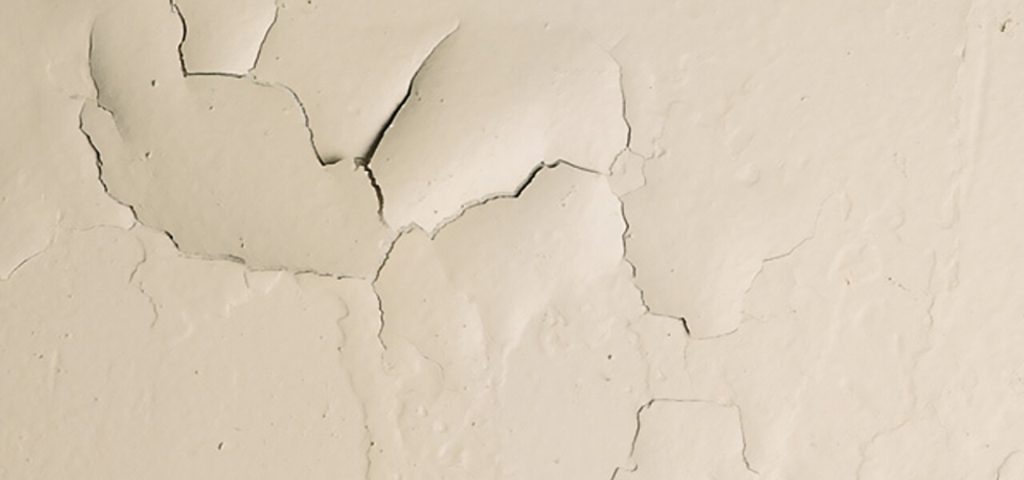
Before tackling the problem, it’s crucial to comprehend why paint peels in the first place. This understanding empowers you to take control of your home’s maintenance. Peeling occurs at its core when the paint loses its adhesion to the surface it’s supposed to protect. This loss of adhesion can be attributed to several factors, ranging from environmental conditions to application errors. Identifying the root cause is the first step in effectively addressing and preventing this issue.
Moisture and Humidity Issues
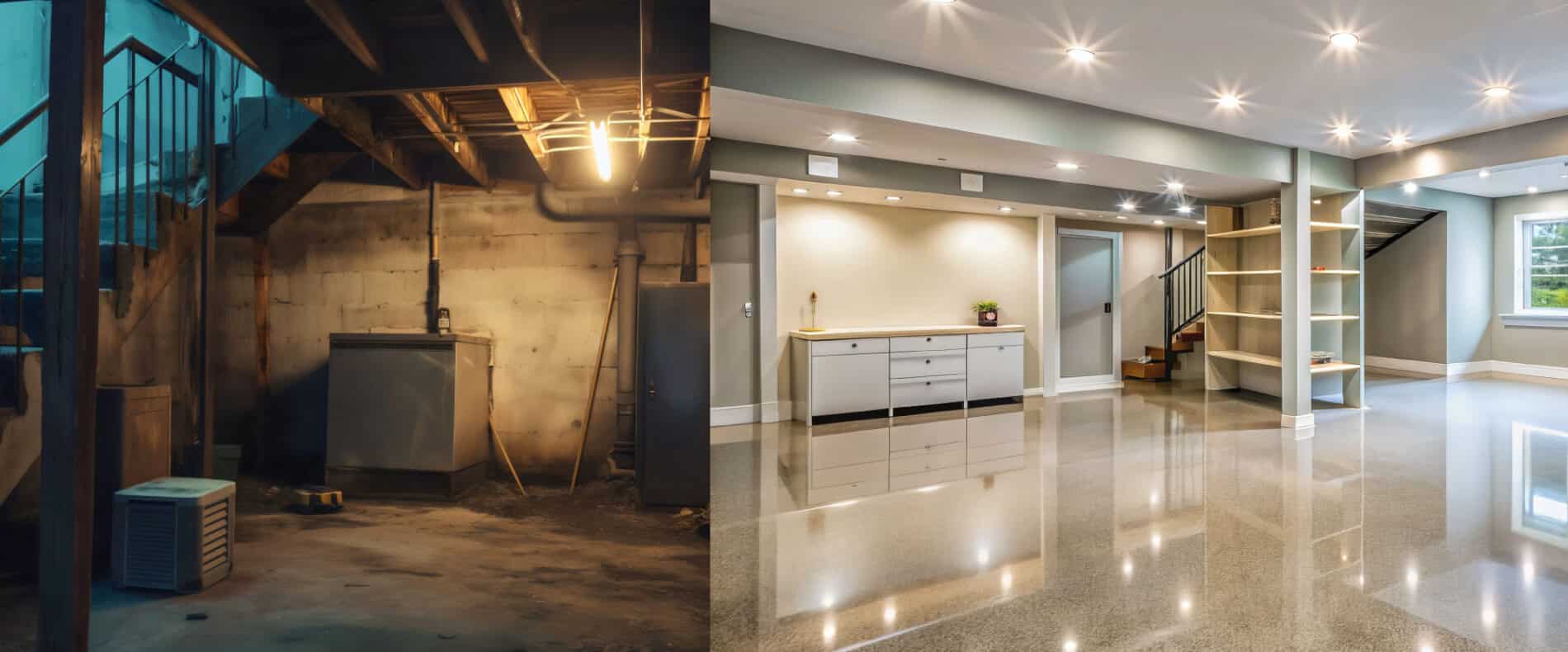
One of the most frequent culprits behind peeling paint is moisture. High humidity levels can cause paint to lose its grip on walls, especially in areas like bathrooms, kitchens, and basements where moisture levels fluctuate. When moisture seeps into the walls, it can cause the paint to swell, blister, and eventually peel away. This is particularly true if the surface is not adequately sealed before painting.
To combat moisture-related peeling, ensure your home is well-ventilated. Use exhaust fans in high-humidity areas and consider investing in a dehumidifier to maintain a stable indoor climate. Additionally, repairing leaks and ensuring your home’s gutters and downspouts are functioning correctly will help keep moisture at bay.
Poor Surface Preparation
Another leading cause of peeling paint is inadequate surface preparation. Applying paint to a dirty or uneven surface can prevent it from adhering properly. Dust, grease, and previous paint layers need to be thoroughly cleaned and sanded down before applying a new coat. Failing to do so can create a weak bond between the paint and the wall, leading to peeling over time.
To prepare your walls correctly, clean them with a mild detergent to remove any surface contaminants. Once clean, sand the walls to create a smooth surface to which the new paint can adhere. Priming the walls is also essential, creating a uniform base that helps the paint stick more effectively.
Using the Wrong Type of Paint
Not all paints are created equal, and using the wrong type can result in peeling. Interior paints are specifically formulated to withstand the conditions inside your home, unlike exterior paints, designed to endure harsher outdoor environments. Using exterior paint indoors or vice versa can lead to compatibility issues, resulting in peeling.
When selecting paint, consider each room’s specific needs. For instance, bathrooms and kitchens benefit from moisture-resistant paints, while living rooms and bedrooms might require paints that offer more durability against scuffs and stains. Consulting with a professional or doing thorough research can help ensure you choose the right type of paint for each area of your home.
How to Prevent Future Peeling
Prevention is always better than cure, and this is especially true when it comes to paint maintenance. By taking proactive steps, you can ensure your walls remain peel-free and look fresh. Here are some tips to help you prevent future peeling:
- Invest in Quality Paint: High-quality paints may be more expensive, but they offer superior adhesion and durability, reducing the likelihood of peeling.
- Prepare Surfaces Thoroughly: Always clean sand and prime surfaces before painting to create a strong foundation for the paint.
- Control Humidity: Control your home’s humidity levels by using dehumidifiers and ensuring proper ventilation in high-moisture areas.
- Regular Maintenance: Perform routine checks for leaks or water damage and address any issues promptly to prevent moisture from affecting your walls.
- Follow Proper Application Techniques: Apply paint in thin, even layers and allow adequate drying time between coats to ensure strong adhesion. Proper application techniques are crucial in preventing peeling paint. By following these guidelines and being patient with the process, you can maintain the beauty and integrity of your home’s interior.
Peeling paint can be a homeowner’s nightmare, but understanding its causes can help you find practical solutions and prevent future occurrences. At Double G Painting Contractors LLC, we specialize in addressing issues like moisture, surface preparation, and paint selection to maintain the beauty and integrity of your home’s interior. Remember, a little planning and maintenance go a long way in keeping your walls looking vibrant and fresh.
Take action today to safeguard your home’s aesthetic appeal and structural health with expert guidance from our team.

John Gregg grew up in a General Contracting Family Business. He often accompanied his father, Thomas Gregg, learning the trade from someone widely regarded as the best in the business. His upbringing shaped his expertise in sales, networking, and people management, which he’s applied to various home improvement projects such as painting, roofing, siding, masonry, and more.
Upon relocating to Phoenix, Arizona, John embraced a new beginning by founding Double G Painting Contractors LLC. With a vision to become one of the top painters in Phoenix, John and his team focus on delivering outstanding craftsmanship and unmatched customer service. Whether transforming a warm family home or revitalizing a fast-paced commercial space, Double G Painting Contractors LLC combines expert techniques with a deep dedication to quality.
John’s understanding of Phoenix’s unique climate has guided the company’s approach. Double G Painting Contractors LLC uses premium materials and proven methods to ensure long-lasting, visually stunning results. The company’s commitment to integrity and client relationships is a pillar of its success. Every project begins by listening to clients’ needs and working with them to create spaces that reflect their vision and personality.
Double G Painting Contractors LLC takes great pride in contributing to the Phoenix community, enhancing the beauty of neighborhoods and businesses one project at a time. For John, each job is an opportunity to deliver exceptional results and deepen his ties to Phoenix, where creativity and craftsmanship thrive.
John spends his time outside of work with his wife, their four children, and their spirited French Bulldog. Living in Phoenix inspires him daily as he builds a family legacy based on quality, honesty, and dedication. For John Gregg and Double G Painting Contractors LLC, every brushstroke tells a story of transforming spaces, building community, and bringing dreams to life in Phoenix.