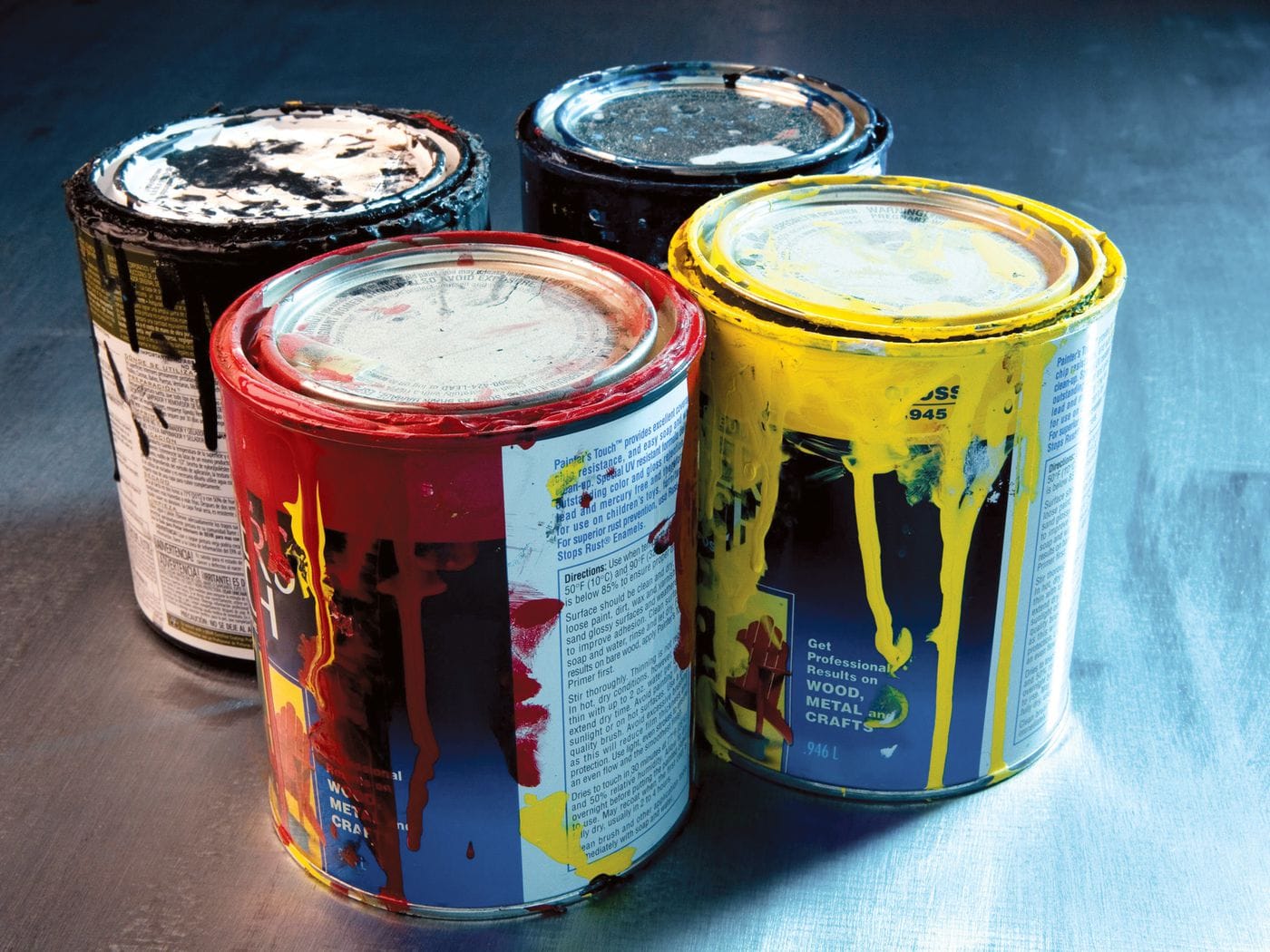
Properly disposing of used paint is an important yet often overlooked aspect of home maintenance. Whether you’re an avid DIYer with a collection of half-empty paint cans or someone who recently completed a painting project, knowing when and how to dispose of leftover paint is crucial for maintaining a safe and organized space. This guide will help you determine the best time to throw away used paint and provide tips on doing so responsibly.
1. Understanding Paint Shelf Life
Understanding the lifespan of different types of paint is a key factor in deciding when it’s time to dispose of it. This knowledge empowers you to make informed decisions about your paint collection.
- Latex Paint: Typically, latex paint has a shelf life of up to 10 years if stored properly in a tightly sealed container. However, once the paint shows signs of spoilage, such as a foul odor, lumpy texture, or separation that cannot be mixed back together, it’s time to dispose of it.
- Oil-Based Paint: Oil-based paint can last up to 15 years if kept in optimal conditions. However, like latex paint, it should be discarded if it develops a thick skin on top or cannot be stirred back into a smooth consistency.
- Acrylic Paint: Acrylic paints usually have a shorter shelf life, around 2 to 5 years. They should be thrown away if they become dried out, moldy, or emit an unusual smell.
Regularly checking the condition of your stored paint can help you decide when it’s no longer usable. To extend its life, always ensure the paint is stored in a cool, dry place and that the lids are tightly sealed.
2. Signs That It’s Time to Throw Away Used Paint
Even if the paint hasn’t reached its maximum shelf life, there are specific signs indicating it’s time to dispose of it:
- Texture Changes: If the paint has become chunky or lumpy or has developed a thick layer of skin on top, it’s a clear sign that it’s no longer usable.
- Separation: A slight separation in paint is normal and can often be remedied by thorough stirring. However, it’s time to discard if the paint remains separated after mixing or the components do not blend back together.
- Smell: Fresh paint has a distinct odor, but if the paint you use starts to smell rancid or sour, it indicates bacterial growth and should be thrown away.
- Drying or Hardening: If the paint has dried out or formed a solid mass, it’s no longer effective and should be disposed of.
Recognizing these signs ensures that you only keep paint that can be used for future projects, freeing up space and avoiding potential health hazards.
3. Environmental Considerations in Paint Disposal
Properly disposing of paint is not just about decluttering; it’s a crucial environmental responsibility. Paint contains chemicals that can harm the environment if not disposed of correctly. By being mindful of this, you can play your part in protecting our planet.
- Avoid Pouring Down Drains: Never pour paint down the drain, into the ground, or throw it into regular trash bins. This can contaminate soil and water, harming wildlife and local ecosystems.
- Check Local Disposal Regulations: Many local governments have specific regulations and programs for paint disposal. You can find this information on your local government’s website or by contacting your waste management department. Some communities offer special collection events or have designated facilities for handling hazardous household waste, including paint.
- Recycling Options: Some recycling centers accept paint for recycling or reblending. When you recycle paint, it’s often reprocessed and used to make new paint or other products. Organizations such as PaintCare offer programs in certain states where you can drop off your leftover paint for proper disposal or recycling.
Following these guidelines, you help prevent environmental pollution and support recycling efforts that turn unused paint into new products.
4. Proper Disposal Methods for Used Paint
When disposing of your used paint, it’s crucial to do so responsibly. By following the proper disposal methods, you can actively ensure that potentially hazardous materials are handled safely.
- Latex Paint: If you have a small amount of latex paint left, let it dry by leaving the lid in a well-ventilated area. Add cat litter, sawdust, or a paint hardener to speed up the process. Once dried, latex paint can often be disposed of with regular household trash (check local regulations first).
- Oil-Based Paint: Due to its chemical makeup, oil-based paint is considered hazardous waste. It should be taken to a local hazardous waste disposal facility. Never try to dry out oil-based paint or throw it in the trash.
- Donating Usable Paint: If your paint is still in good condition but no longer needs to be used, consider donating it to local schools, theaters, community centers, or charities. Many organizations are happy to receive free paint for various projects.
Proper paint disposal helps the environment and ensures that potentially hazardous materials are handled safely.
5. How to Minimize Leftover Paint in the Future
The best way to avoid the dilemma of when to throw away used paint is to prevent accumulating excess in the first place. Here are some tips to minimize leftover paint in future projects:
- Accurate Estimation: Use a paint calculator or consult a professional to determine the exact amount of paint you need for a project. This can help you avoid purchasing more than necessary.
- Keep It for Touch-Ups: Small amounts of leftover paint can be used for future touch-ups. To make future use easier, label the can with the room or surface it was used on, along with the date and color code.
- Buy Smaller Quantities: If you’re working on a small project or unsure how much paint you need, consider purchasing a smaller container. Many paint stores offer sample sizes or quart options, which can be sufficient for smaller jobs.
By being mindful of how much paint you purchase and store, you can reduce waste and save money in the long run.
When and how to throw away used paint is essential for responsible home maintenance and environmental stewardship. At Double G Painting Contractors LLC in Phoenix, we guide you through understanding the shelf life of different types of paint, recognizing signs of spoilage, and following proper disposal methods to ensure safe and environmentally friendly practices. By minimizing leftover paint and donating usable paint to those in need, you can contribute to reducing waste and promoting sustainability. Next time you’re faced with leftover paint, remember these guidelines and make an informed, responsible decision.

John Gregg grew up in a General Contracting Family Business. He often accompanied his father, Thomas Gregg, learning the trade from someone widely regarded as the best in the business. His upbringing shaped his expertise in sales, networking, and people management, which he’s applied to various home improvement projects such as painting, roofing, siding, masonry, and more.
Upon relocating to Phoenix, Arizona, John embraced a new beginning by founding Double G Painting Contractors LLC. With a vision to become one of the top painters in Phoenix, John and his team focus on delivering outstanding craftsmanship and unmatched customer service. Whether transforming a warm family home or revitalizing a fast-paced commercial space, Double G Painting Contractors LLC combines expert techniques with a deep dedication to quality.
John’s understanding of Phoenix’s unique climate has guided the company’s approach. Double G Painting Contractors LLC uses premium materials and proven methods to ensure long-lasting, visually stunning results. The company’s commitment to integrity and client relationships is a pillar of its success. Every project begins by listening to clients’ needs and working with them to create spaces that reflect their vision and personality.
Double G Painting Contractors LLC takes great pride in contributing to the Phoenix community, enhancing the beauty of neighborhoods and businesses one project at a time. For John, each job is an opportunity to deliver exceptional results and deepen his ties to Phoenix, where creativity and craftsmanship thrive.
John spends his time outside of work with his wife, their four children, and their spirited French Bulldog. Living in Phoenix inspires him daily as he builds a family legacy based on quality, honesty, and dedication. For John Gregg and Double G Painting Contractors LLC, every brushstroke tells a story of transforming spaces, building community, and bringing dreams to life in Phoenix.